
Frequently Asked Questions About Geosynthetics in Geotechnical Engineering
What are geosynthetics in geotechnical engineering?
Geosynthetics are engineered polymer materials used to improve soil behaviour in civil and geotechnical engineering applications. They are widely used for soil stabilisation, drainage, reinforcement, filtration, and containment, enhancing performance and extending asset life.
What types of geosynthetics are used in construction?
The main types of geosynthetics include:
- Geotextiles for filtration, separation and protection
- Geogrids for soil reinforcement and load distribution
- Geomembranes for impermeable containment systems
- Geocomposites combining drainage and filtration functions
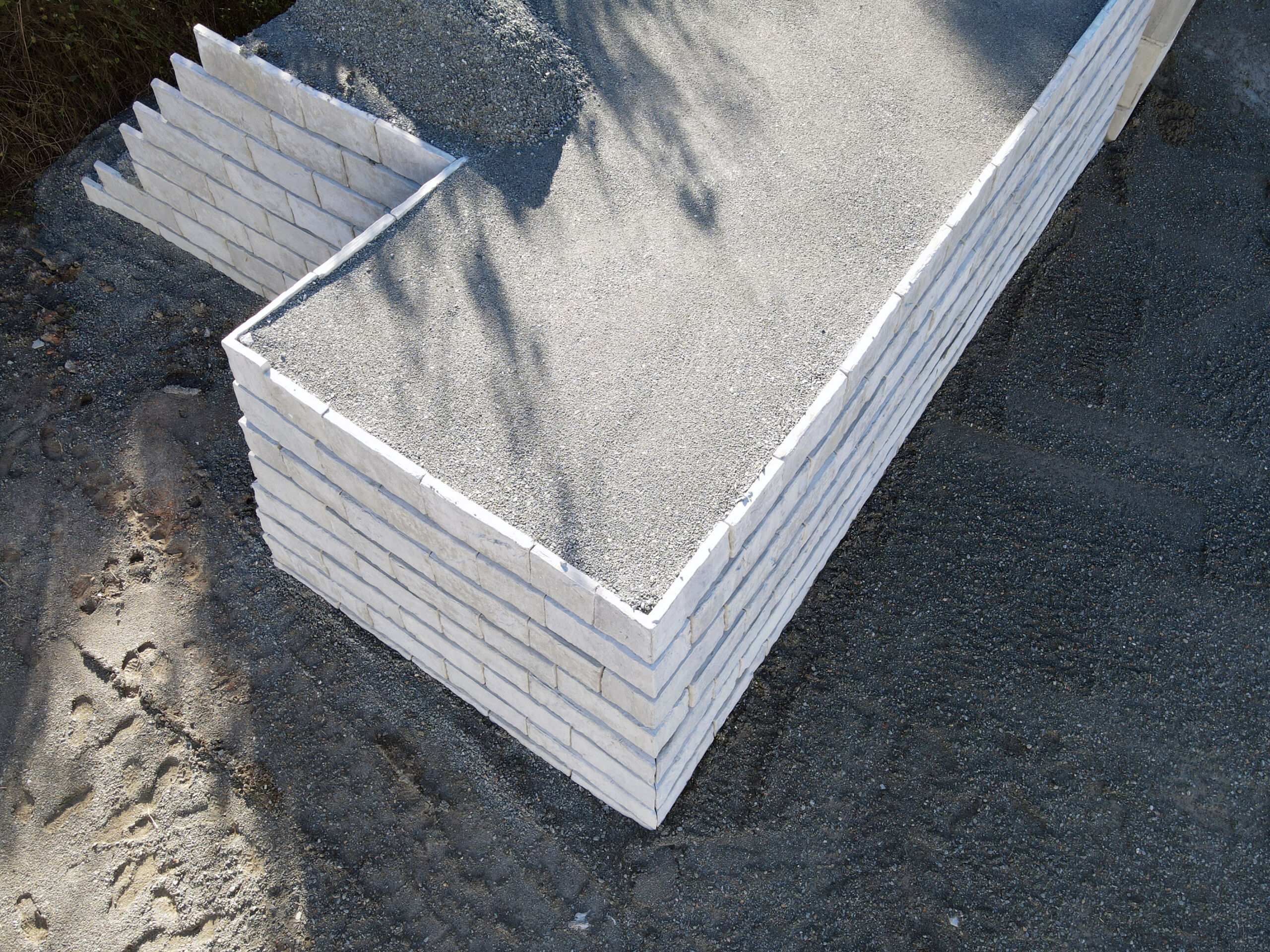
- Geocells for ground stabilisation and erosion control
Each product is selected based on site-specific geotechnical and hydraulic requirements.
What functions do geosynthetics perform in soil?
Geosynthetics deliver key engineering functions:
- Reinforcement – increasing soil strength and stability
- Separation – preventing intermixing of materials
- Filtration – controlling soil particle movement while allowing water flow
- Drainage – managing groundwater and pore pressure
- Containment – preventing fluid or contaminant migration
- Protection – shielding critical infrastructure components
Modern solutions often combine several functions in one system.
How do geogrids improve soil reinforcement?
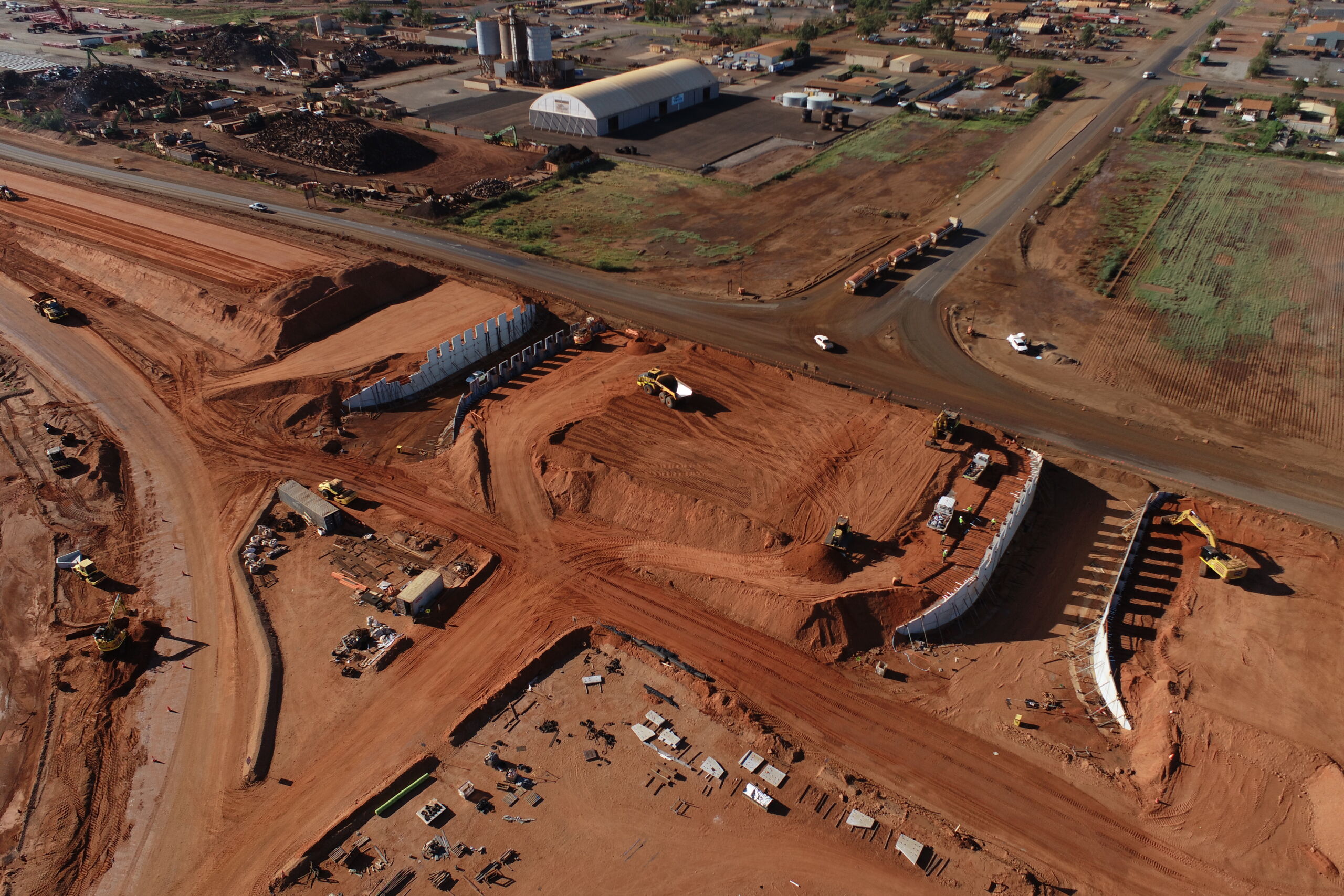
Geogrids provide tensile strength within compacted soil layers. Through mechanical interlock, they distribute loads and reduce deformation, making them ideal for:
- Reinforced soil walls
- Pavement stabilisation
- Embankments and slopes
Geoquest’s geogrid solutions include ArmaGrid® and ArmaLynk®.
What is the purpose of geotextiles?
Geotextiles are permeable fabrics that enable filtration and separation. They are commonly used beneath roads, railways and drainage layers to:
- Prevent fine soil migration
- Maintain structural integrity
- Improve long-term pavement performance
TerraTextile™ by Geoquest is a non woven geotextile with excellent strength and hydraulic characteristics.
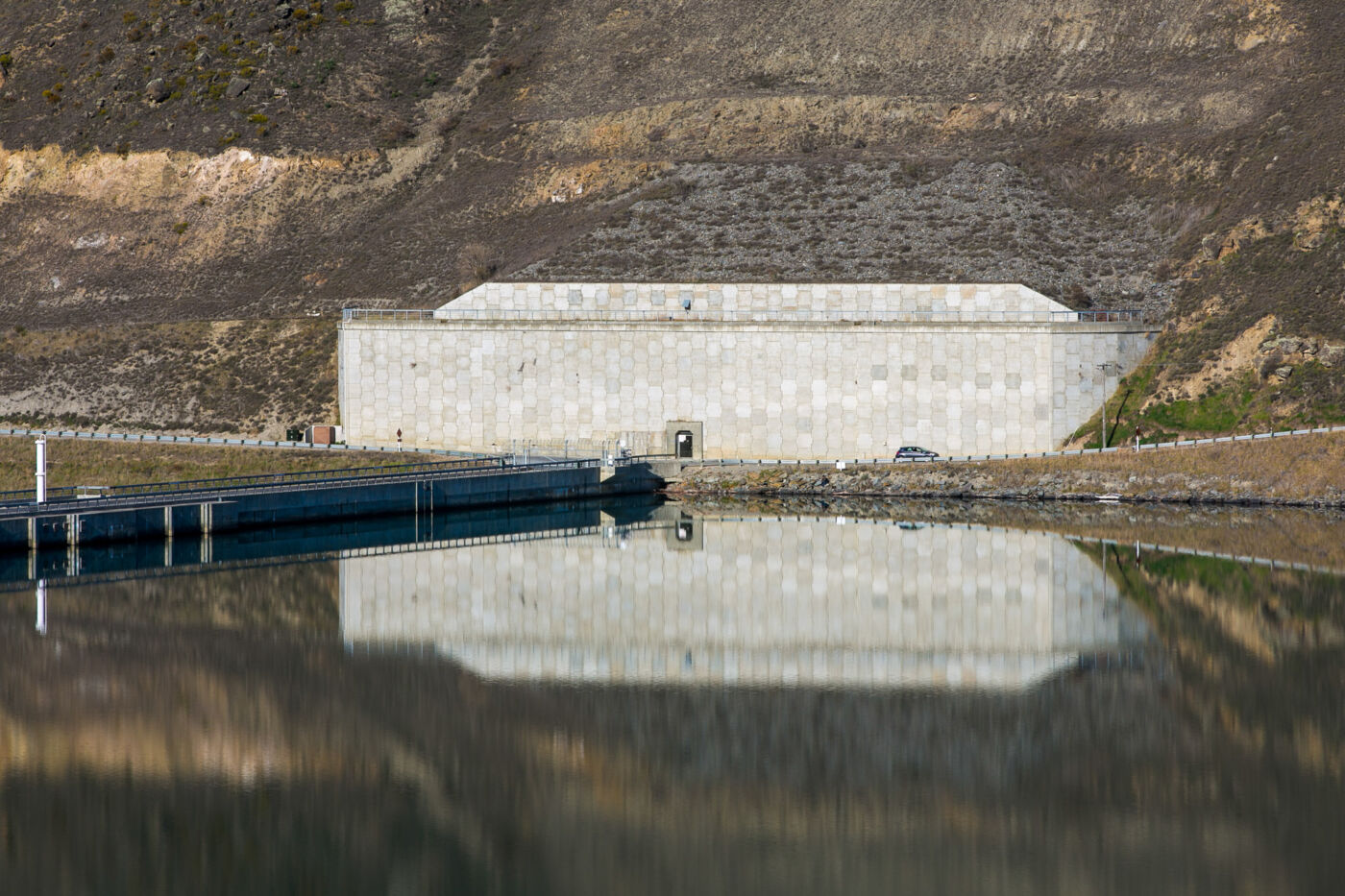
Our TechRevetment™ concrete mat erosion control systems consist of non woven geotextiles, geotextile fabric form and fine aggregate concrete.
Where are geomembranes used?
Geomembranes act as impermeable barriers in applications requiring containment, such as:
- Landfills and waste facilities
- Mining and tailings storage
- Water reservoirs and ponds
They play a critical role in environmental protection. Geoquest’s DRAINTUBE solutions are drainage geocomposites that allow for geomembrane leak detection surveys using geo-electrical methods.
What are geocomposites used for?
Geocomposites integrate multiple geosynthetic functions into a single product. They are widely used for subsurface drainage systems, reducing installation time while improving hydraulic performance.
A key example of a geocomposite is Geoquest’s DRAINTUBE solution highlighted above. DRAINTUBE is a conductive drainage geocomposite consisting of a conductive grid made of Stainless-Steel cables placed inside a DRAINTUBE product.
How do geocells stabilise ground?
Geocells confine soil within a three-dimensional structure, which:
- Improves load-bearing capacity
- Reduces erosion and lateral movement
- Enhances stability on slopes and soft ground
They are effective in roads, rail and erosion control applications.
Why are geosynthetics important in modern infrastructure?
Geosynthetics improve project outcomes by:
- Reducing construction costs and material use
- Extending design life of infrastructure
- Improving performance in weak ground conditions
- Supporting sustainable construction practices
How do engineers choose the right geosynthetic?
Selection is based on:
- Soil conditions and geotechnical properties
- Load and design requirements
- Hydraulic conditions and drainage needs
- Environmental and durability considerations
Proper design ensures optimal performance and longevity.
Discover more about the geosynthetics solutions provided by Geoquest.