
Across the infrastructure and resources sectors, projects are becoming more complex. Ground conditions are more challenging. Environmental expectations are higher. In response, the industry is rethinking how it stabilises, protects and builds on the land beneath us.
One of the clearest signals of this shift is the increasing role of geosynthetics as core engineering solutions.
Moving beyond traditional ground engineering
For decades, conventional approaches such as soil replacement or chemical stabilisation have been the default. But these methods often come with trade-offs: higher material use, longer construction times and increased cost.
Geosynthetics offer a different approach.
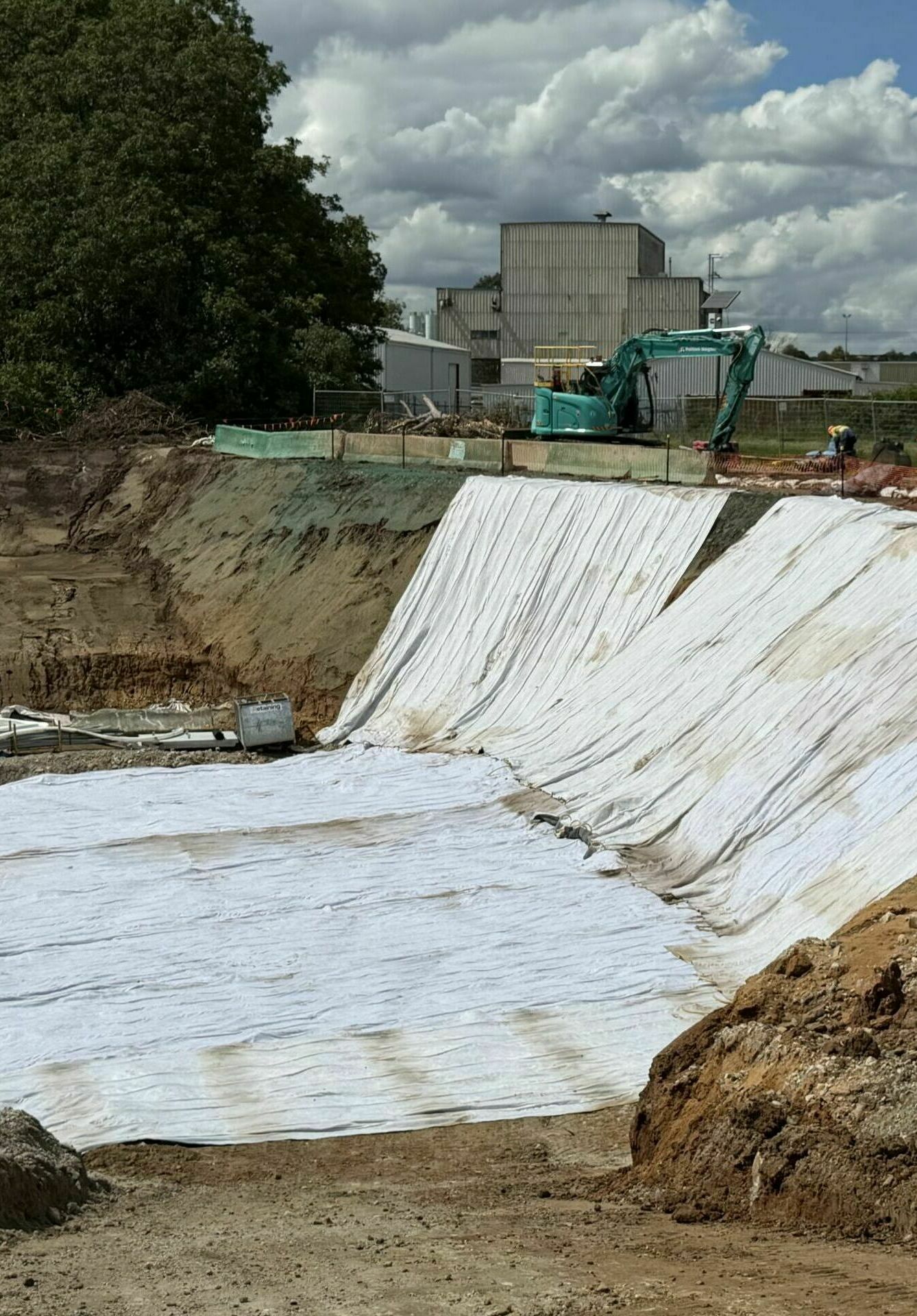
From geogrids and geotextiles to drainage composites and erosion control systems, these materials are designed to work with the ground and improve performance while reducing intervention.
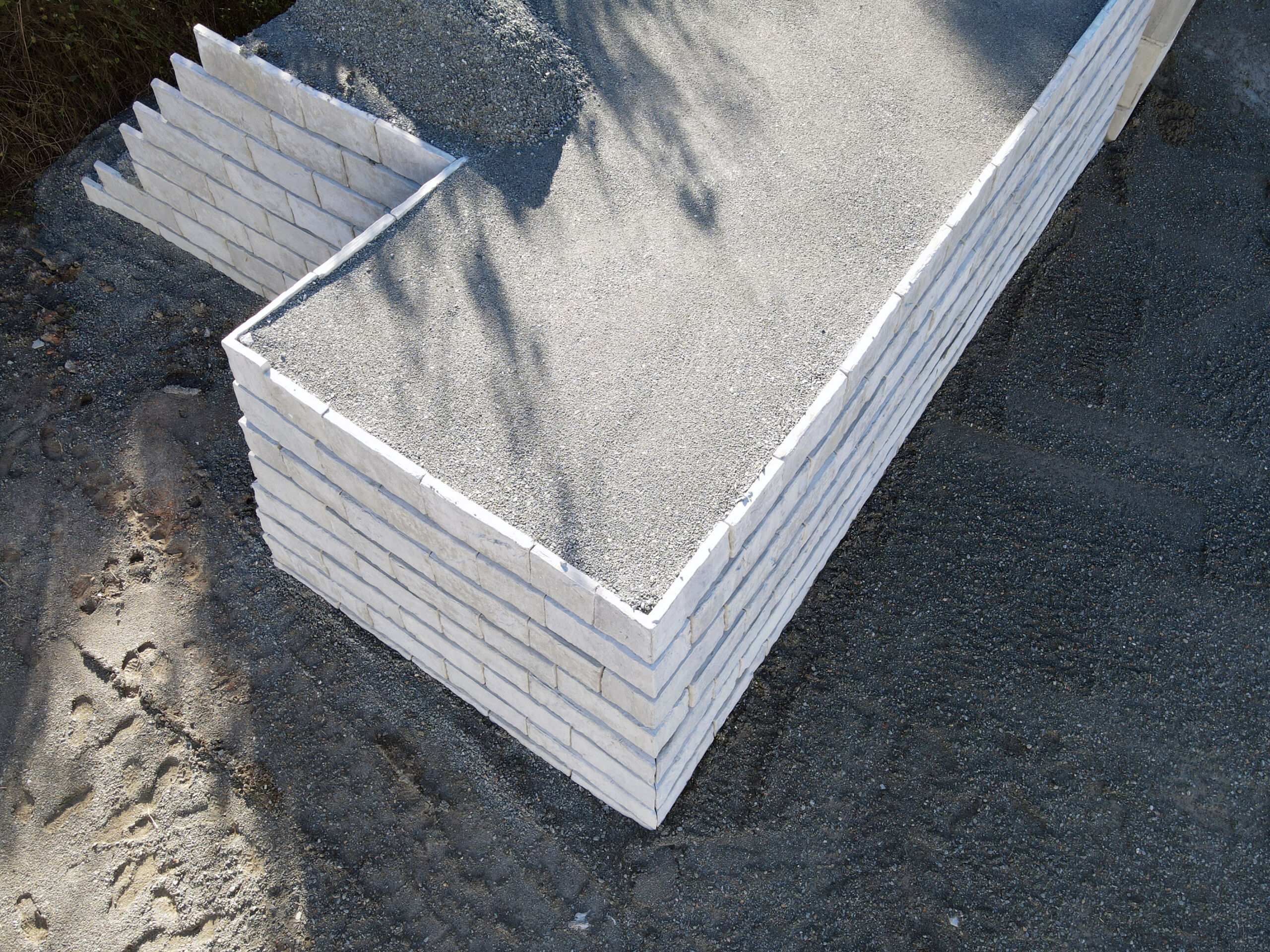
In many applications, they enable engineers to build on weak or variable soils, distribute loads more effectively and reduce differential settlement without the need for extensive excavation or imported fill.
The result is not just technical efficiency, but a fundamentally more sustainable construction model.
Performance and resilience under pressure
What’s driving adoption is efficiency and resilience. Infrastructure today must perform under increasing pressure: heavier loads, more extreme weather events and clear regulatory requirements. Geosynthetics are being used to meet these demands across a wide range of applications, including:
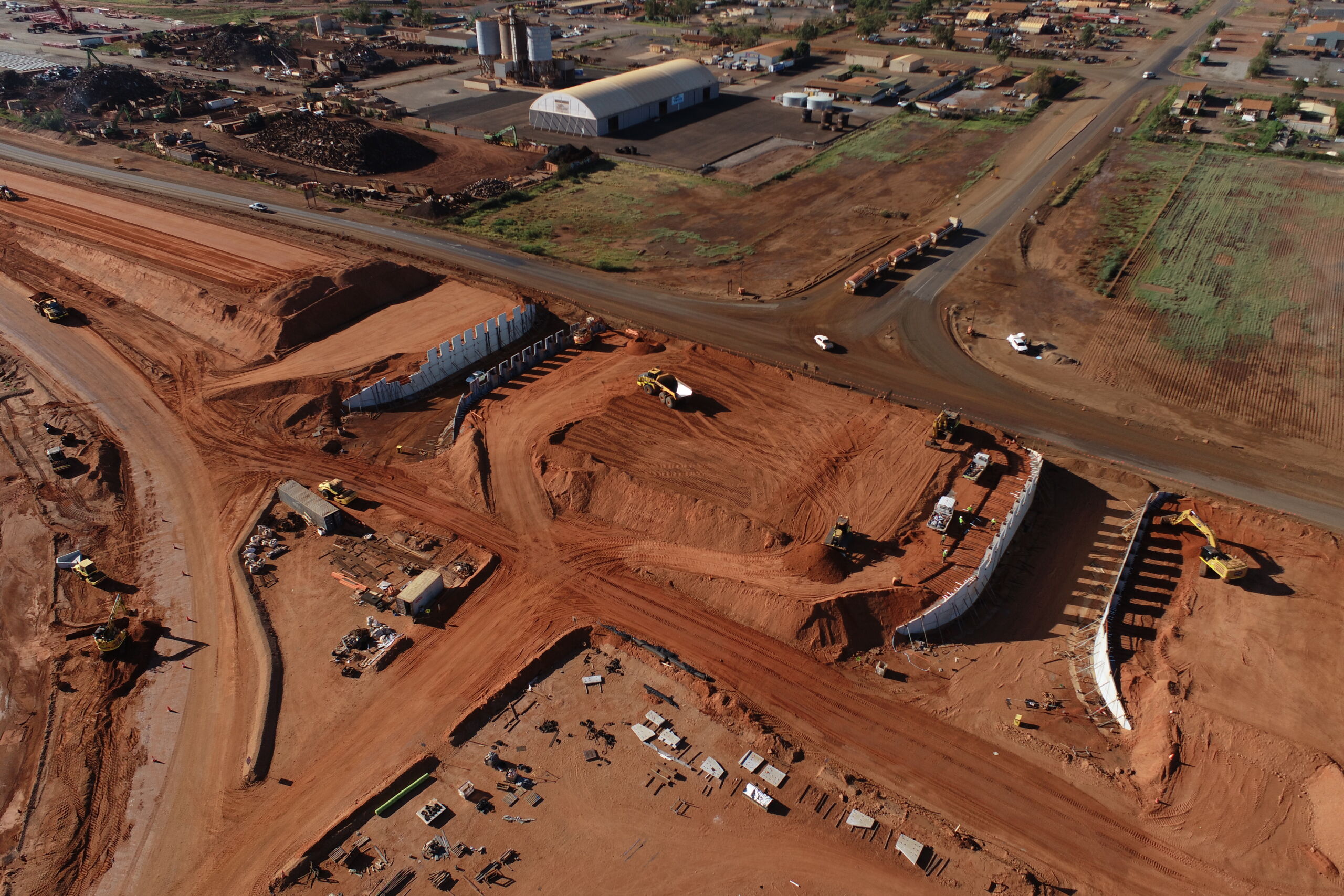
- Transport infrastructure such as roads, railways and bridges
- Mining and tailings storage facilities
- Coastal and riverbank protection
- Landfills and environmental containment systems
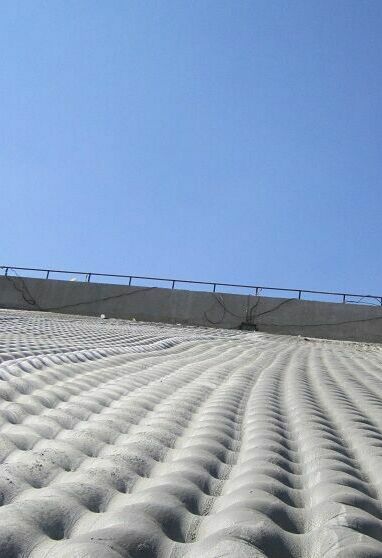
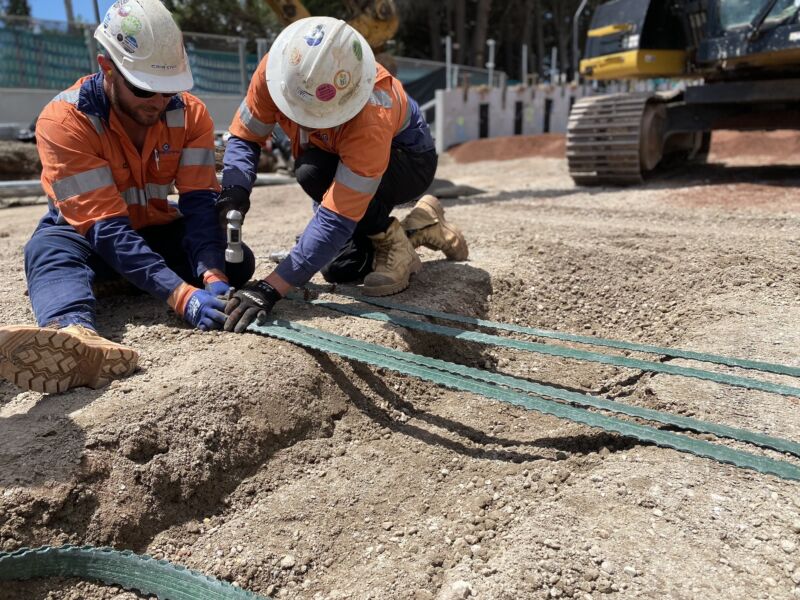
High-strength geogrids, for example, can stabilise embankments over soft ground. At the same time, advanced drainage systems, such as DRAINTUBE, ensure long-term water management even under high loads and challenging site conditions.
These are not incremental improvements; they are enabling solutions for sites that would otherwise be difficult to develop.
Sustainability built into the design
Sustainability is now also a core project requirement and geosynthetics contribute in several ways:
- Reducing material consumption, particularly the need for quarried aggregates
- Lowering carbon emissions, through more efficient construction methods
- Minimising environmental impact, including sediment runoff and land disturbance
- Supporting vegetation growth, particularly in erosion control applications
In some cases, the use of reinforcement geogrids can significantly reduce the overall carbon footprint of a project compared to traditional solutions.
Equally important is their role in environmental protection—through containment systems, filtration layers and erosion control measures that help preserve surrounding ecosystems.
From products to integrated systems
What’s changing most is how these solutions are being applied.
Rather than selecting individual products, projects are increasingly designed around integrated systems—combining reinforcement, drainage and protection into a single, coordinated approach.
For example, a reinforced embankment may combine geogrids with drainage composites to manage both load and water flow. This systems-based thinking reflects a broader trend in engineering: moving from component-level optimisation to whole-of-life performance.
Where Geoquest fits
At Geoquest, our focus has always been on delivering solutions that respond to real ground conditions, designing for how different technologies can be tailored to meet specific project demands across reinforcement, environmental protection and drainage.
Geoquest is focused using geosyntehtics more intelligently to reduce risk, improve outcomes and build infrastructure that lasts.
Looking ahead
As projects become more demanding and expectations continue to rise, the importance of smarter ground engineering will only grow. Geosynthetics are becoming an essential part of the industry’s response.
Read more about this evolution in Geoquest’s new Geosynthetics brochure, now available for download. Learn more about our diverse geo sector solutions in the brochure on via our dedicated geosynthetics webpage.