
How Turn-Key Engineering Solutions Are Reducing Risk in a Changing Climate
Australia and New Zealand’s infrastructure networks are increasingly tested by the realities of a changing climate. Intensifying rainfall, flooding, and landslide activity are placing unprecedented pressure on infrastructure, from road and rail corridors, embankments, bridges, and retaining structures.
Geoquest Australia — a leader in integrated geotechnical engineering — is at the forefront of helping asset owners and contractors strengthen the resilience of critical infrastructure, at a time when national climate assessments warn that weather-driven disruptions to transport routes could rise sharply over the coming decade, underscoring the urgency of embedding resilience into every layer of design and construction from the outset.
A Broader Risk Landscape
While slope stabilisation and rockfall protection remain a highly visible indicator of climate preparedness, the challenge — and opportunity — extends far wider, encompassing foundation performance, drainage, erosion control, and structural integrity across road, rail, and mining infrastructure.
Unpredictable ground conditions, supply chain disruption, and delivery risk are now central considerations for major projects. That’s where a fully integrated, turn-key approach — combining design, manufacture, supply, and supporting installation — is emerging as one of the most effective ways to mitigate climate risk and manage uncertainty.
Turn-Key Delivery as Risk Management
Geoquest Australia’s Managing Director, Riccardo Musella, says end-to-end project capability has become a defining factor in both cost control and resilience outcomes.
“Fragmentation in project delivery can add risk — both technical and commercial. Our model at Geoquest allows clients to engage one partner from concept through to delivery, ensuring design intent is preserved, logistics are streamlined, and site challenges are addresses and managed holistically in real time.”
This integrated approach ensures that engineering responses adapt comprehensively to on-site conditions — a critical advantage in geotechnically complex or weather-sensitive environments.
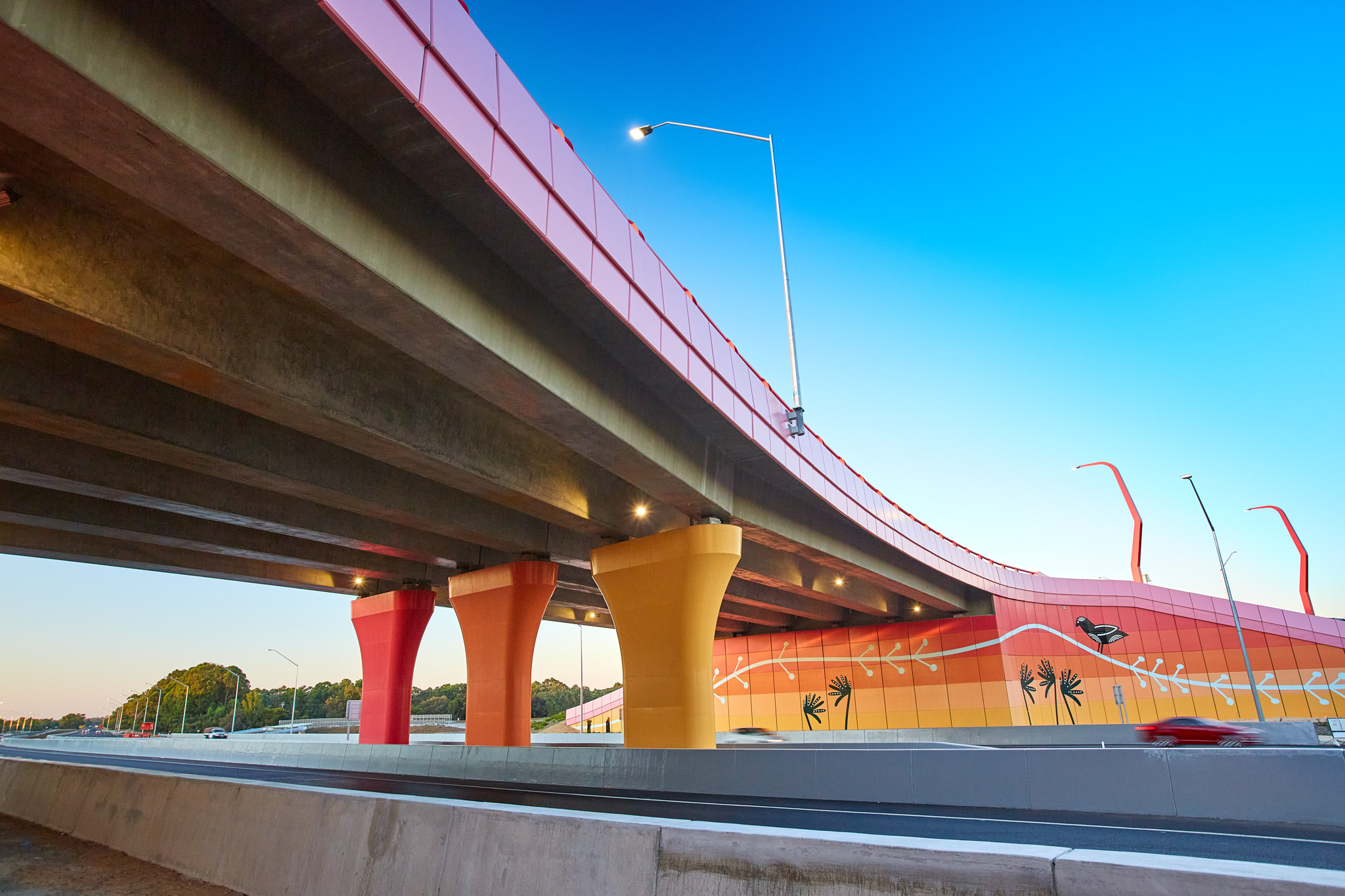
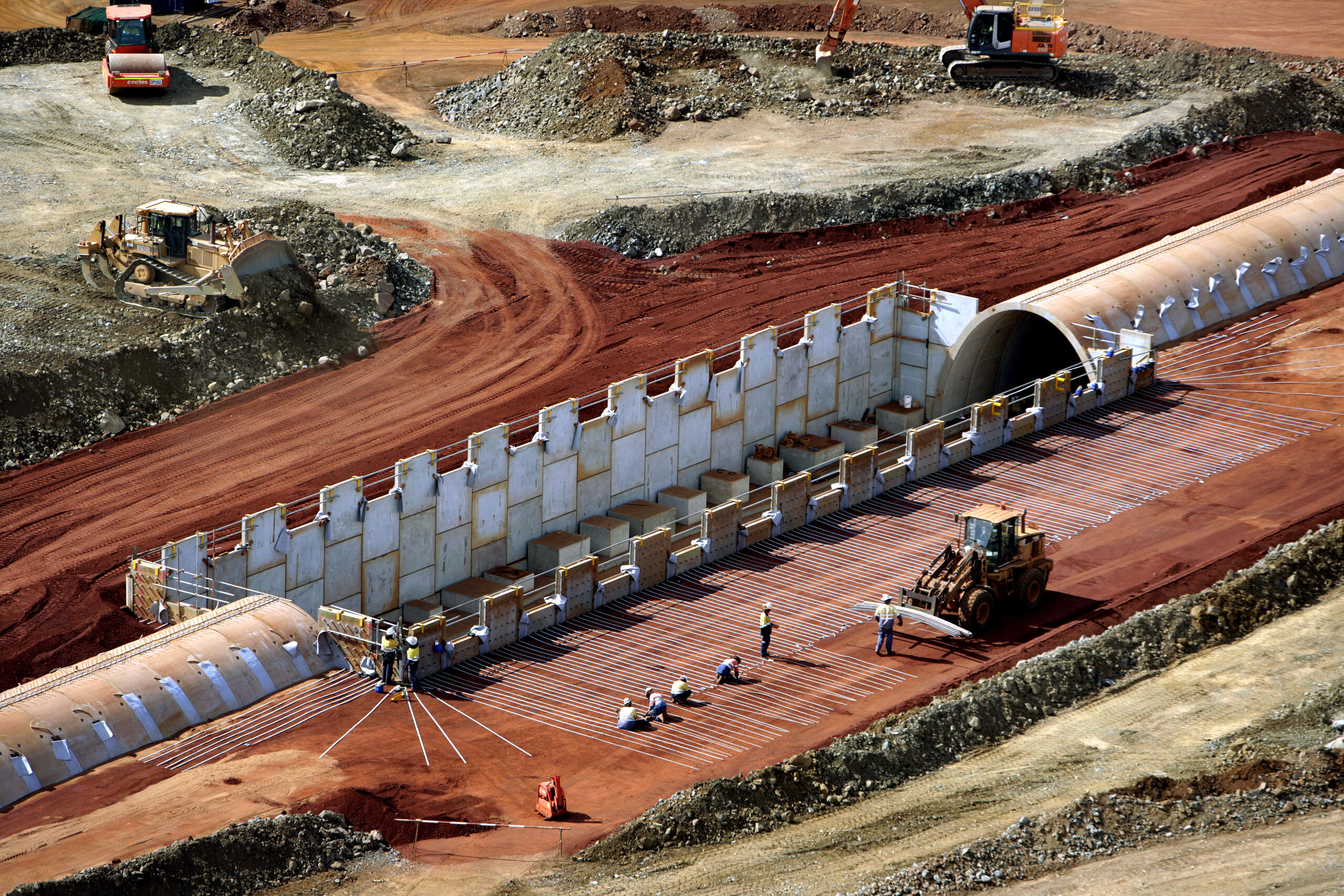
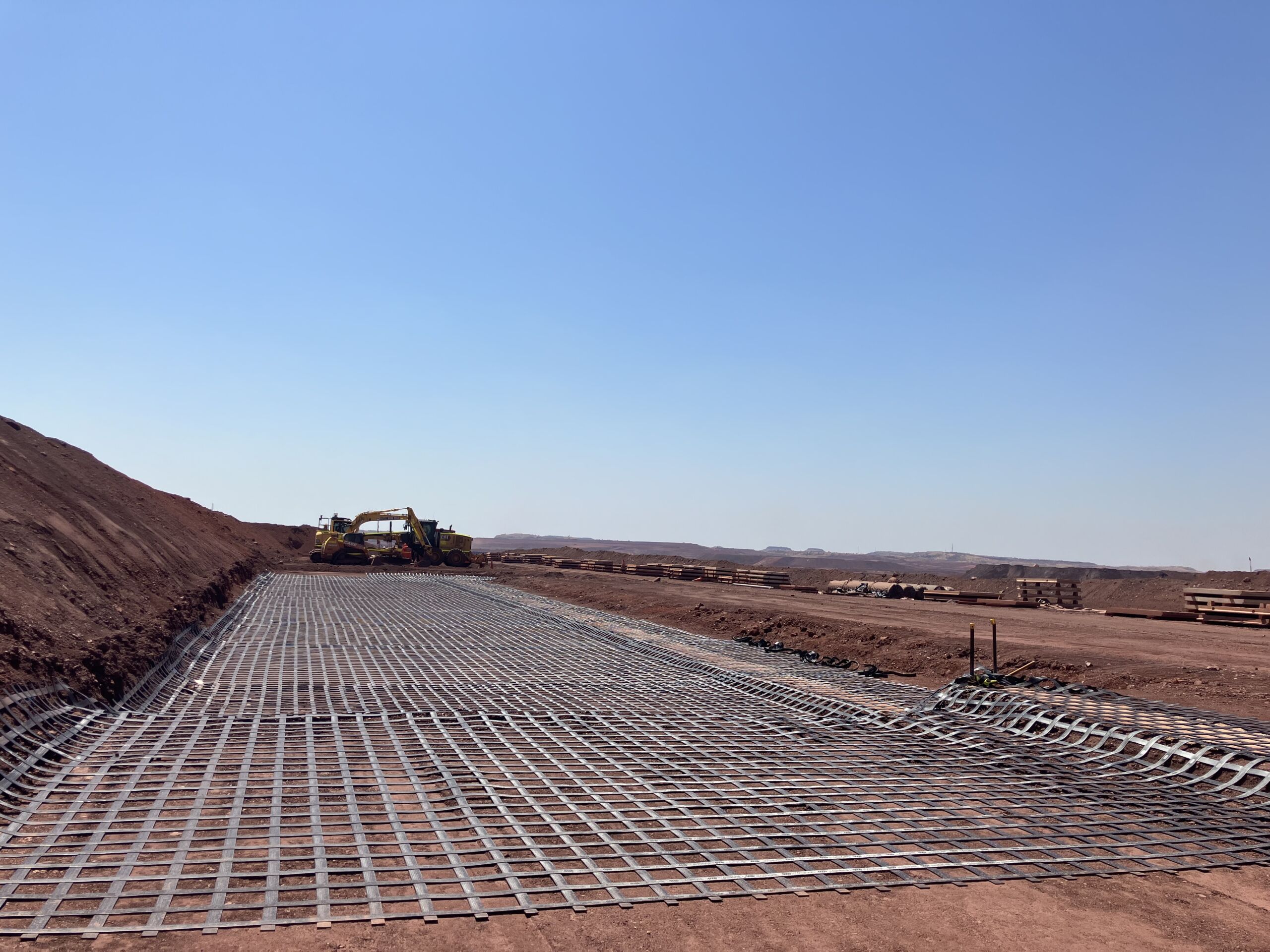
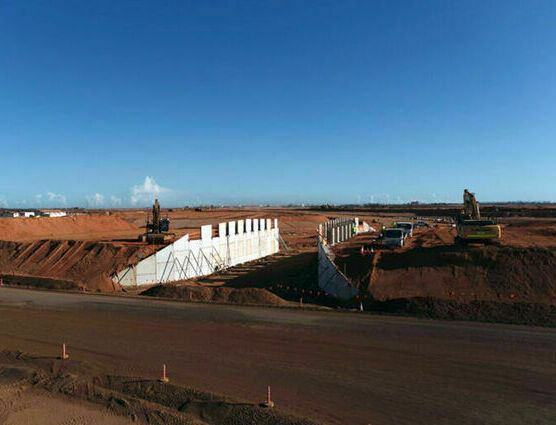
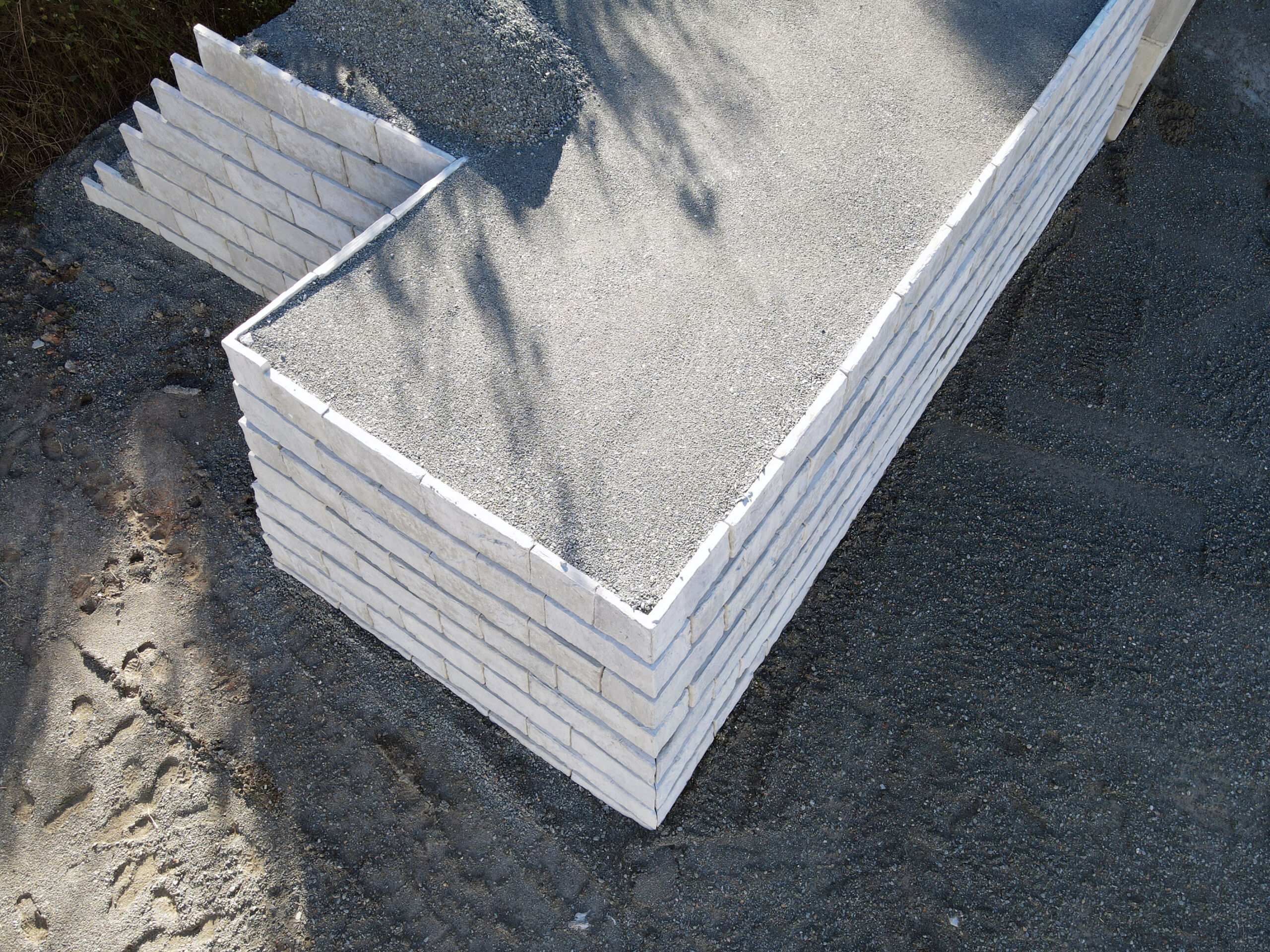
For example, Geoquest is now pairing its MSE retaining walls and precast structures with advanced drainage geosynthetics such as DRAINTUBE®, recently deployed on a large-scale road infrastructure project in Victoria. The company is also supporting its MSE and precast clients with erosion control systems, such as concrete mattresses, and patented ground reinforcement technologies like ArmaGrid®, which stabilise shallow embankments, foundations, and heavily loaded platforms — currently being installed at a major mine site in Western Australia.
Integrated Systems for a Resilient Future
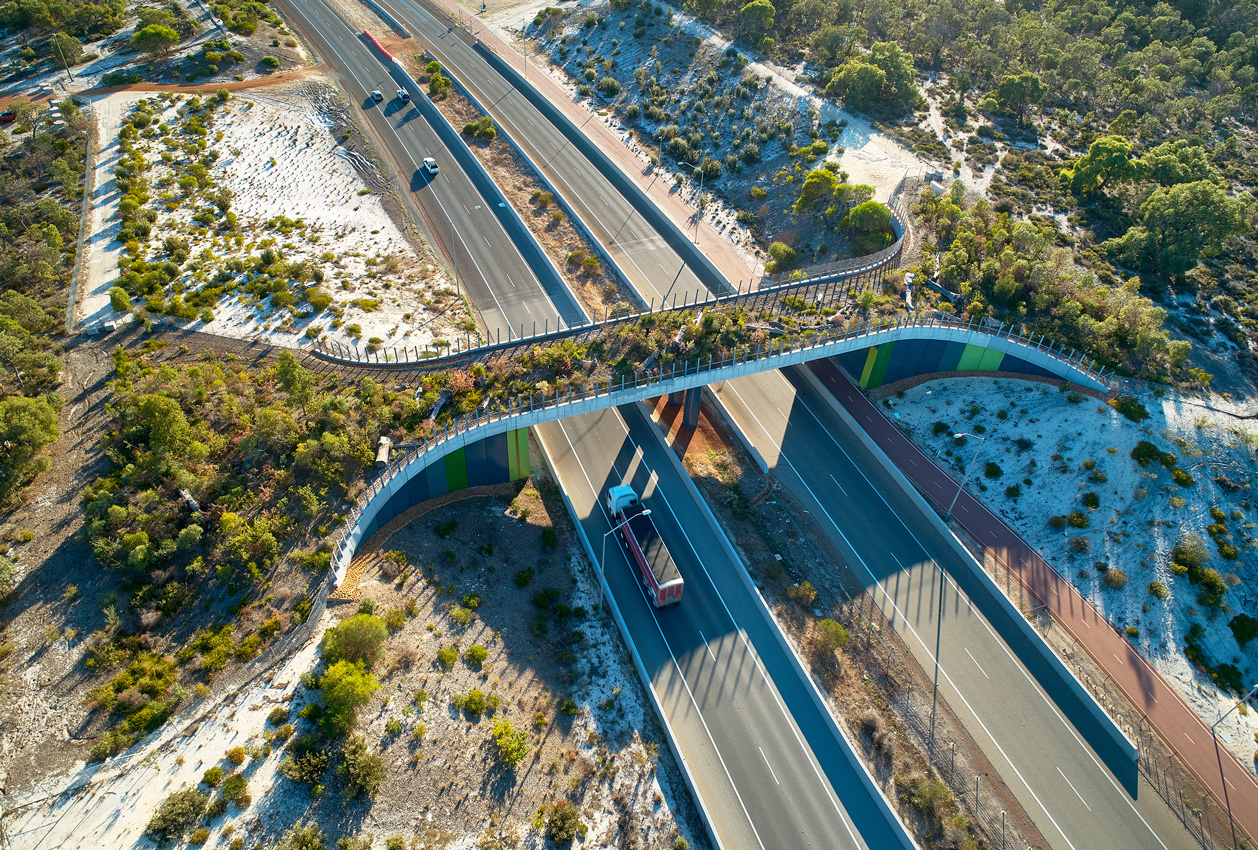
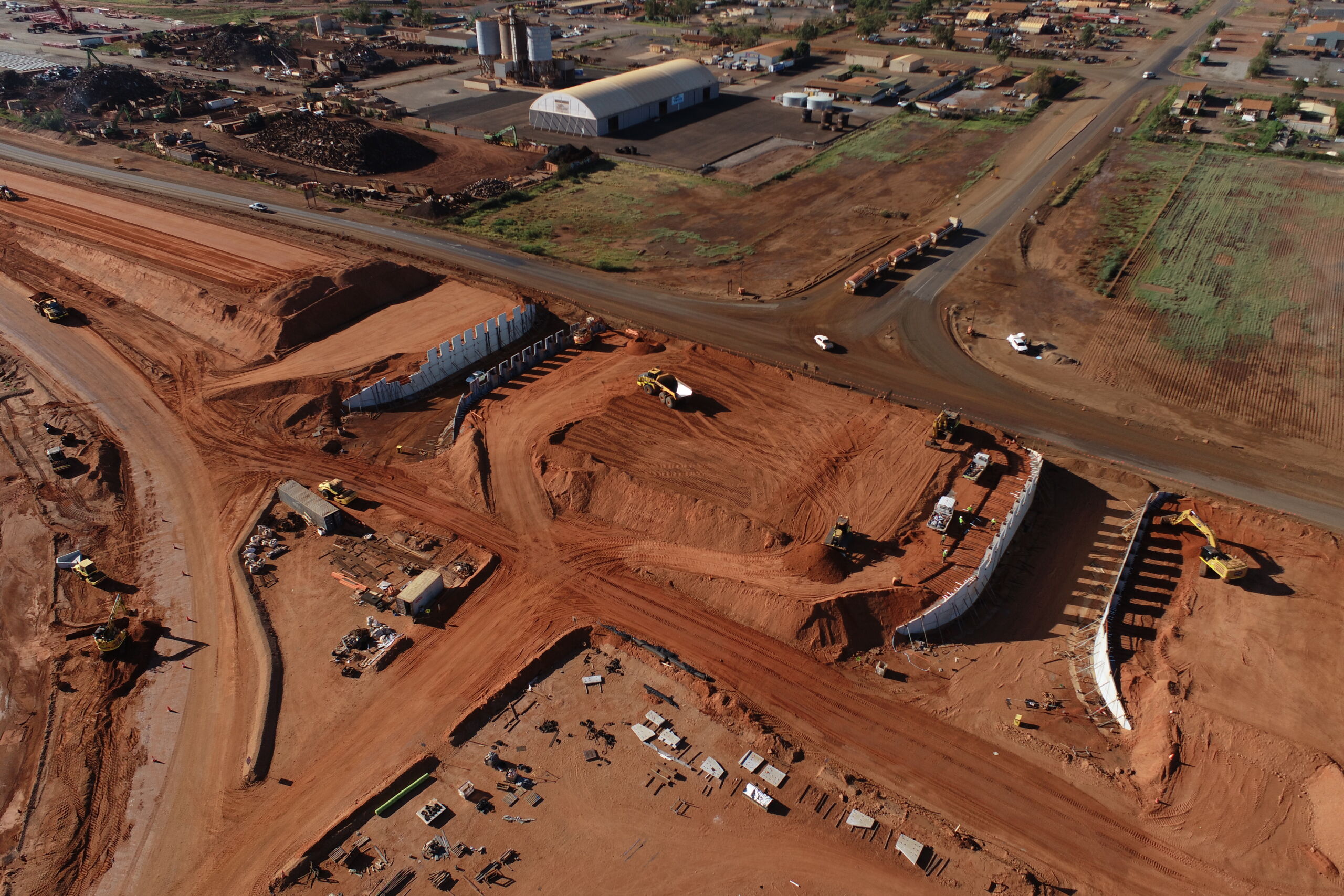
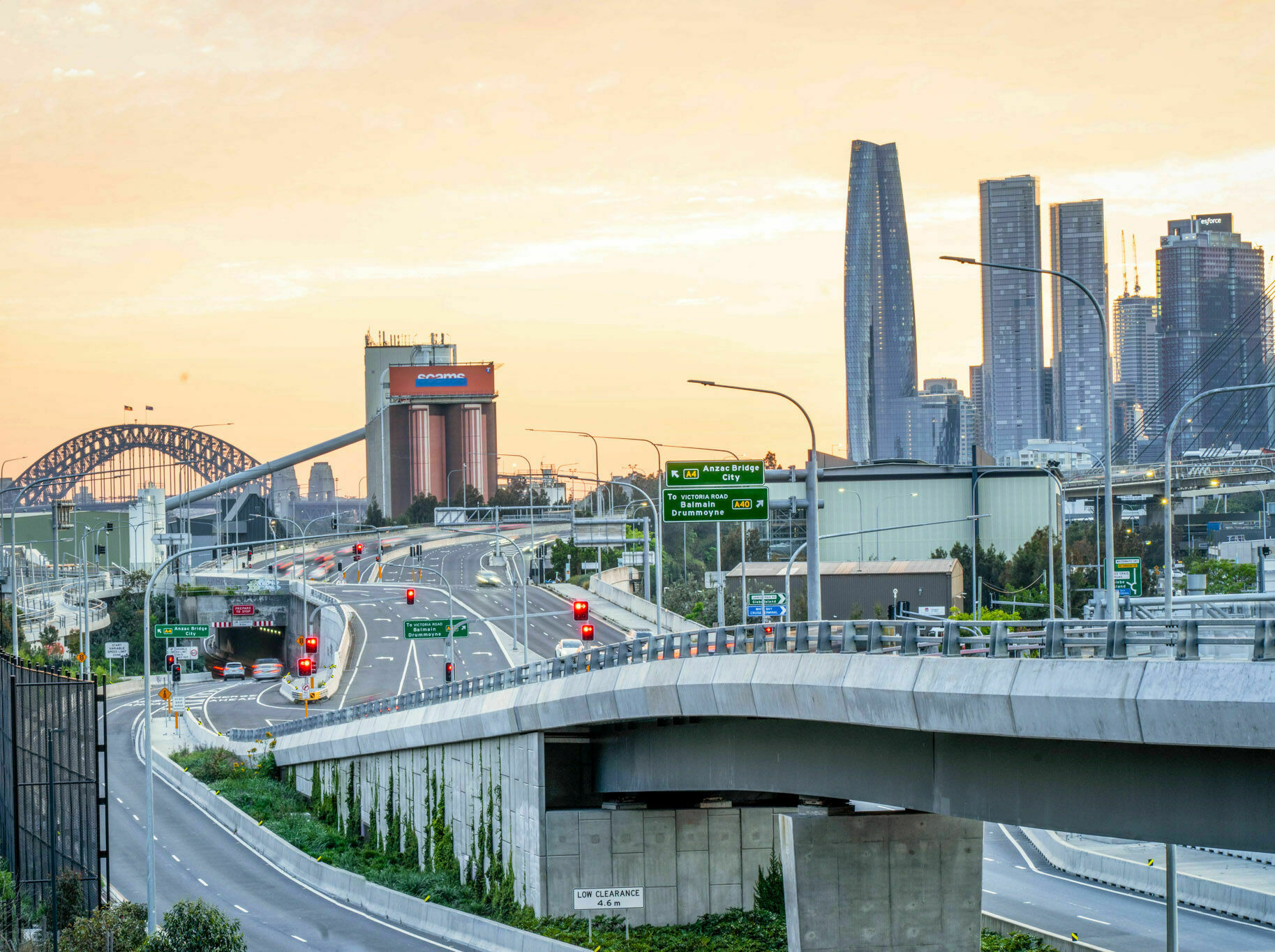
Drawing on more than 60 years of global expertise, Geoquest provides fully integrated geotechnical and structural systems that build resilience into every layer of civil and transport infrastructure. Whether stabilising soft soils and embankments, reducing erosion, flood, and rockfall risks, or delivering MSE retaining walls, tunnels, overpasses, bridge abutments, and optimised drainage, Geoquest’s connected solutions ensure long-term performance and protection of vital assets.
Frontline Defence: Geohazard Protection
While a broader, interconnected system is now designed to withstand increasing environmental volatility, rockfall protection and slope stabilisation remain among the most visible elements of climate resilience — and a key aspect of Geoquest’s capability.
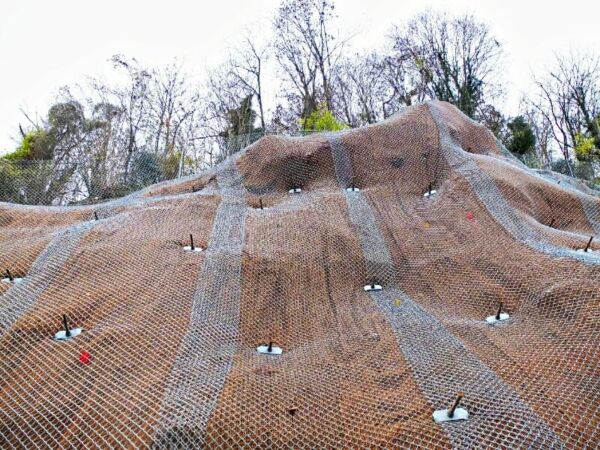
Geoquest’s active and passive protection rockfall and slope stablisation systems deliver multi-layered resilience across transport networks.
- Active slope stabilisation systems engage directly with soil or rock masses through anchored mesh, drapery, or grid systems.
- Passive rockfall systems intercept and control debris once movement occurs, using retaining structures such as rockfall bunds, or high-capacity steel wire mesh fences and barriers.
- Hybrid configurations integrate both — for instance, anchored mesh drapery combined with MSE catchment bunds or energy-absorbing barriers.
The Climate Imperative
Recent national climate assessments reinforce that resilience and adaptation are now core infrastructure priorities:
- Australia: The National Climate Risk Assessment (2025) warns that intensifying rainfall and flooding are overwhelming traditional drainage and retaining systems, increasing the frequency of road and rail closures.
- New Zealand: The Our Environment 2025 report highlights similar risks across alpine and coastal corridors, with the Parliamentary Commissioner for the Environment urging greater investment in resilient construction.
By combining engineered reinforcement with forward-looking design and sustainable materials, Geoquest is helping asset owners and contractors respond to these realities with practical, cost-effective solutions.
Whether stabilising soft soils or steep terrain, constructing critical transport corridors, or responding to post-event remediation, Geoquest’s turn-key capability ensures rapid deployment and consistent quality.
Its expertise spans:
- Rockfall catchment, hybrid barrier systems and debris-flow barriers
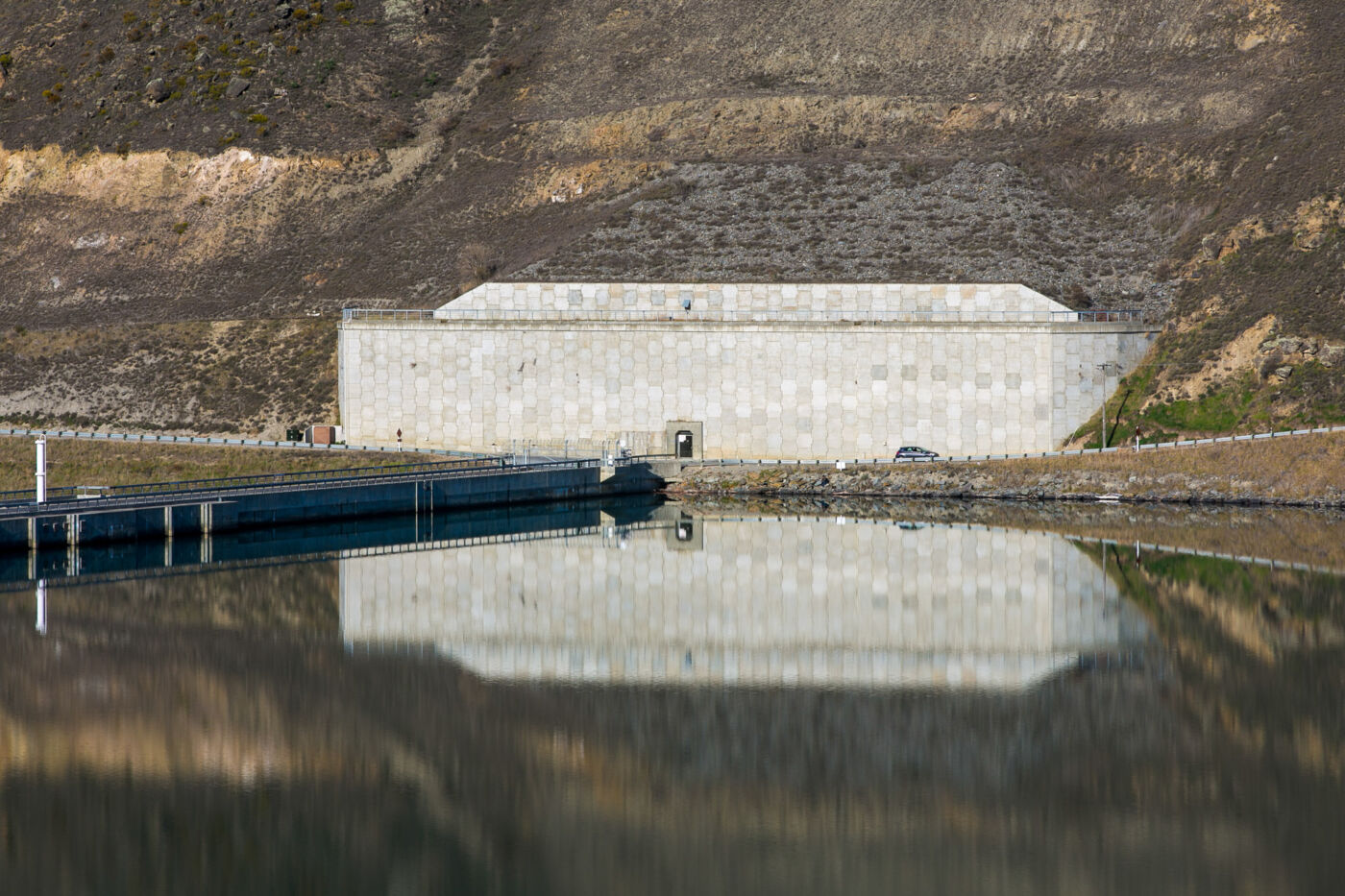
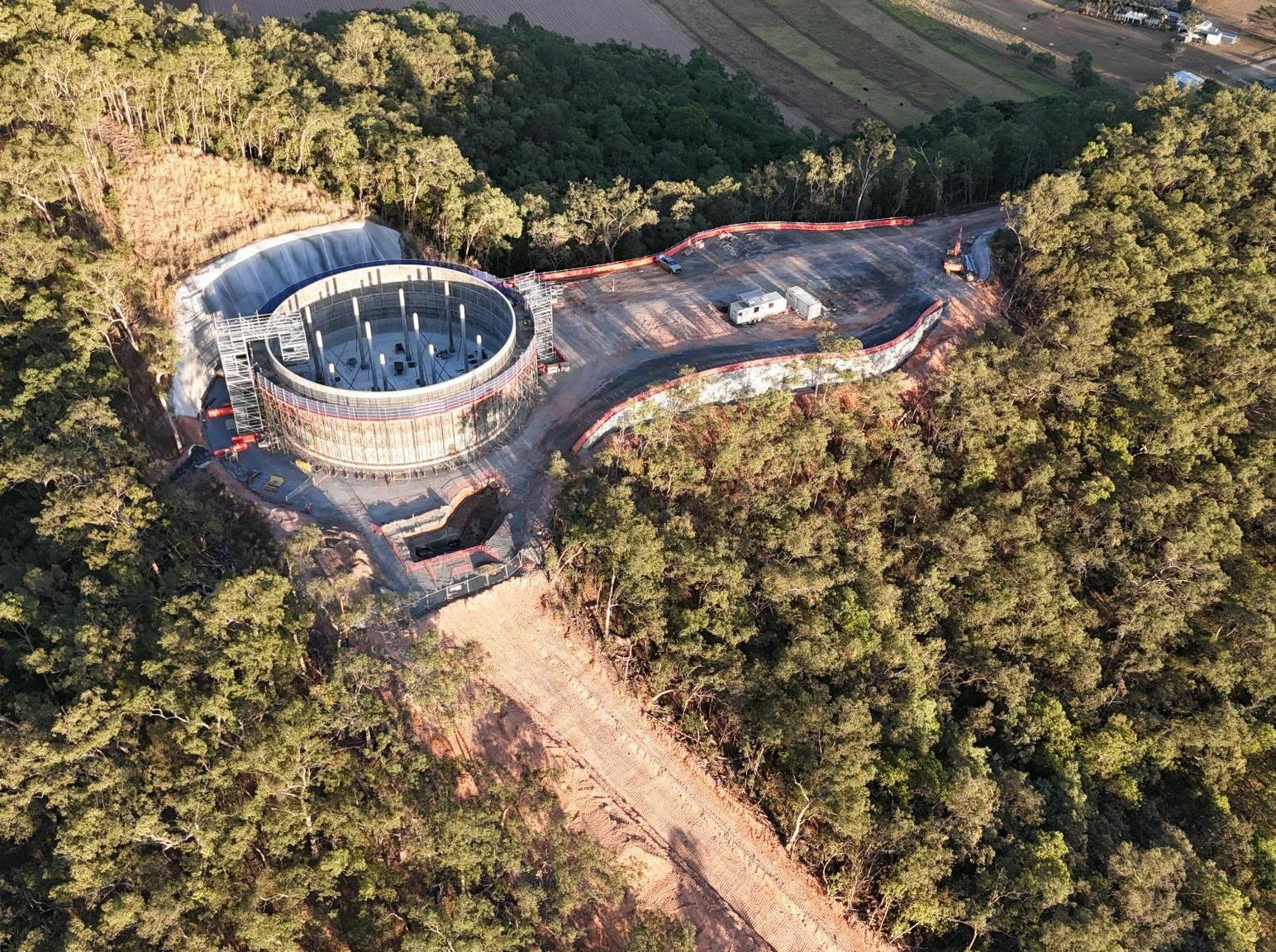
- Mechanically stabilised earth (MSE) retaining walls
- Reinforcement, drainage, and erosion control geosynthetics
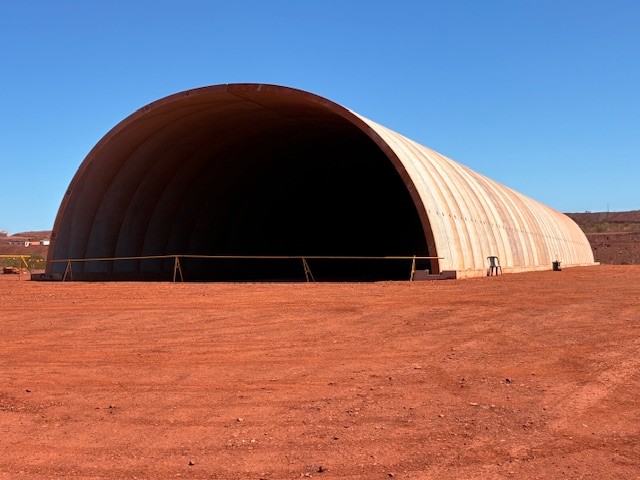
- Precast arches and structural components
This breadth allows Geoquest to support clients every step of the way — from early planning and geotechnical analysis to on-site installation.
“Material innovation and lifecycle performance are central to resilience,” explains Musella. “By optimising material use and designing for durability, we help reduce embodied carbon while extending asset life — a direct contribution to sustainability and cost efficiency.”
“Resilience isn’t just about building stronger,” he says. “It’s about designing smarter — integrating systems, reducing interfaces with turn-key solutions, and using innovation to deliver safety, durability, and value under increasingly uncertain conditions.”
Summary
In a sector increasingly defined by volatility, Geoquest’s holistic, turn-key approach is proving that forward thinking, integrated approaches to resilience will ensure the reliability and longevity of entire transport networks across Australia and New Zealand.
Contact your local Geoquest Australia & New Zealand office for more information.